




Medial epicondylitis
Predisposing factors
Чрезмерные спортивные нагрузки (гольф, бейсбол, фехтование, плавание).
Длительное использование доминирующей руки при физической активности.
Микротравмы сухожилий в области медиального надмыщелка.
Вовлечение локтевого нерва.
Reasons
Excessive sports activities (golf, baseball, fencing, swimming).
Prolonged use of the dominant hand during physical activity.
Microtrauma of tendons in the area of the medial epicondyle.
Ulnar nerve involvement.
Symptoms
Radiating pain in the forearm and hand.
Weakness of the forearm muscles.
Soreness on palpation of the inner surface of the elbow.
Discomfort when bending the hand or pronating the forearm.
Consequences
Treatment
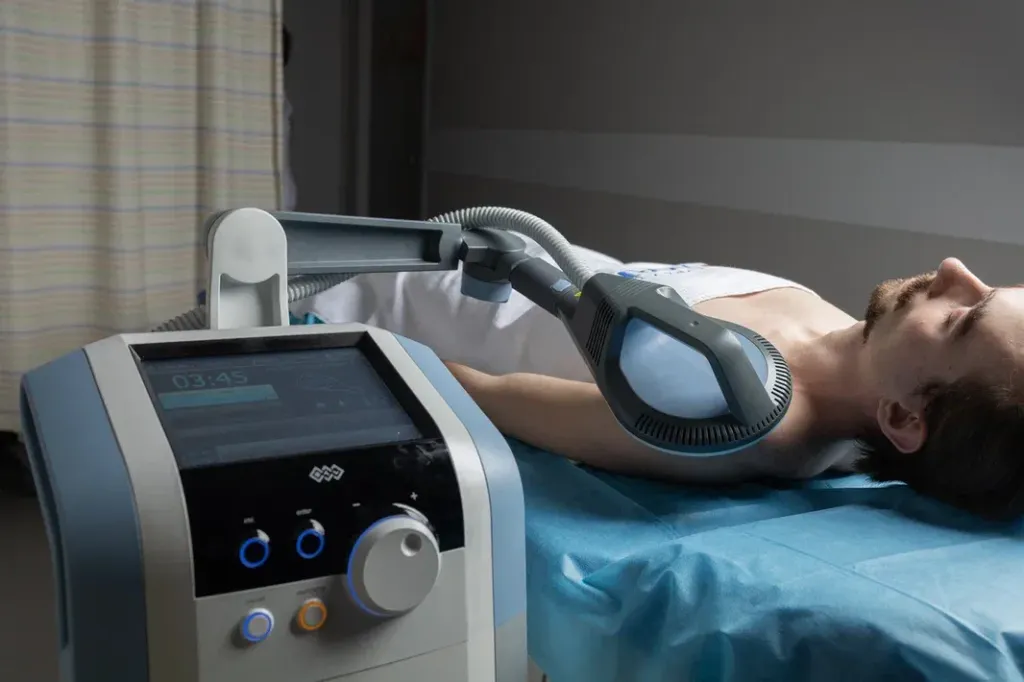
Conservative treatment
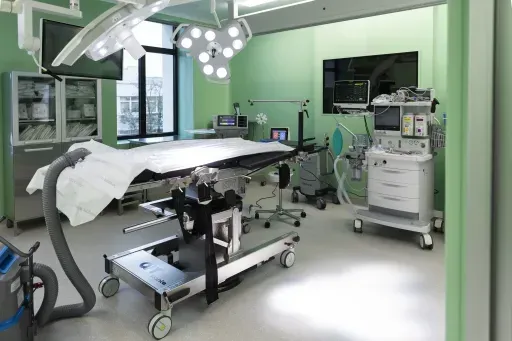
Surgical treatment
How to reach


- Route from exit 4 of the «Belorusskaya» metro station
- Route from exit 2 of the «Belorusskaya» metro station
How to get
From the Belorusskaya metro station of the Zamoskvoretskaya line - exit 4 After exiting the subway, walk through the pedestrian tunnel and climb the stairs. Move towards the railway tracks, go down the stairs immediately after them and walk along the house, then turn right onto 1st Yamskoye Pole Street. At the turn to 3rd Yamsky Pole Street, cross the road at the pedestrian crossing and continue along 1st Yamsky Field Street, after a few buildings on the left you will see Olympus Clinic MARS.
Travel time
9 minutes
Landmark
Olympus Clinic MARS sign
How to get
From the Belorusskaya metro station of the Ring line - exit 2. After exiting the subway, turn left and walk to the pedestrian crossing. Cross the road through two pedestrian crossings and move along the Tverskoy overpass. Go down the stairs immediately after the railway tracks, walk along the house, then turn right onto 1st Yamskoye Pole Street. At the turn to 3rd Yamsky Pole Street, cross the road at the pedestrian crossing and continue along 1st Yamsky Field Street, after a few buildings on the left you will see Olympus Clinic MARS
Travel time
11 minutes
Landmark
Olympus Clinic MARS sign
Parking lot map
Exit 3 from the metro and 640 meters straight ahead, the clinic will be on the right. Landmark - sign Olymp Clinic