




Migraine Treatment
Treatment aimed at reducing the frequency and intensity of migraine attacks. It may include drug therapy, behavioral and cognitive techniques, as well as recommendations for lifestyle and nutrition changes.
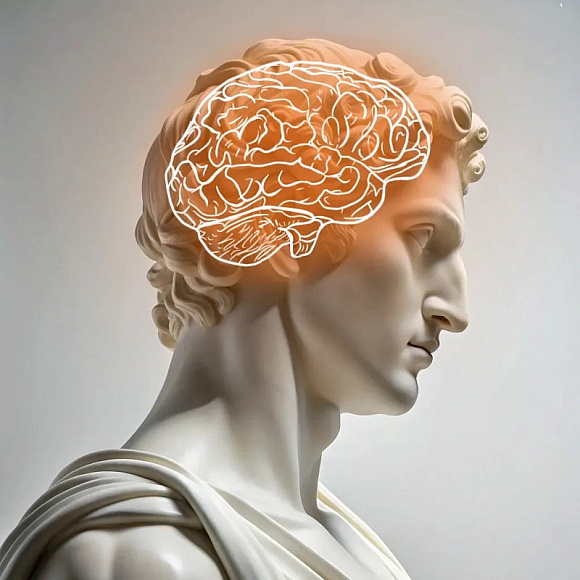
Migraine is a neurological disease that affects about 15% of all men and women. Migraine is manifested by bouts of intense headache, often accompanied by nausea and sensitivity to light and sound.
Benefits
An integrated approach
Drug therapy, behavioral techniques and lifestyle changes allow you to achieve maximum effect.
Individual selection of therapy
The treatment is selected taking into account the individual characteristics and condition of the patient.
Modern methods and preparations
The use of the latest medicinal and therapeutic approaches allows us to achieve stable results.
Support and supervision
Monitoring by a doctor and regular examinations allow timely correction of therapy.
Preparation for migraine treatment
Before starting treatment for migraines, it is necessary to consult a neurologist. The doctor will collect a detailed medical history, conduct an examination and, if necessary, prescribe additional studies such as MRI or CT scan of the brain, electroencephalography (EEG) and blood tests. The patient is recommended to keep a diary of migraine attacks, recording their frequency, duration, intensity and possible triggers.

Migraine Treatment Procedure
Migraine treatment is often based on drug therapy. The doctor selects medications for the relief of acute attacks and the prevention of migraines. Botulinum toxin injections are also possible. In addition, the doctor may refer the patient to cognitive behavioral therapy to develop stress and anxiety management skills, which may be triggers of migraines.

Recommendations for treatment of migraine after the procedure
After starting treatment, it is important to follow all the doctor's recommendations and come for checkups.

Врачи
Смотреть всех врачейIndications and contraindications
Indications
Frequent and intense migraine attacks
With frequent seizures that significantly affect the patient's quality of life.
Ineffectiveness of previously prescribed treatment
Patients whose attempts to cope with migraines do not lead to results.
The presence of an aura
Treatment helps to prevent complications and reduce the frequency of seizures.
Concomitant diseases
In the presence of concomitant neurological or mental disorders, such as depression or anxiety disorders.
Expected effect
Reducing the frequency and intensity of seizures
Complex therapy helps to reduce the frequency and severity of migraine attacks.
Improving the quality of life
Increased daily activity and reduced absences from work or school due to seizures.
Preventing complications
Treatment helps to prevent the development of chronic migraines and other complications.
Individual approach
The therapy is selected taking into account the characteristics of the patient, which allows you to achieve the best results.
Similar referral activities
Botulinum therapy for neurological diseases
This is a treatment method based on the injection of botulinum toxin type A into certain muscles to temporarily block nerve impulses, reduce muscle spasms and relieve pain.
Lumbar puncture
Minimally invasive sampling of cerebrospinal fluid to study its composition in order to identify the causes of diseases of the nervous system.
Headache Treatment
An individual approach to the treatment of headaches, aimed at eliminating symptoms and identifying the root cause.
Neurologist's appointment
Specialists diagnose neurological symptoms. Among the disorders of NS, it is customary to distinguish several groups of clinical signs — pain syndrome, motor and/or sensory disorders, coordination disorders, pelvic disorders and general symptoms.
Ultrasound of peripheral nerves
A diagnostic method that allows you to assess the condition of nerve trunks and identify pathological changes that disrupt the conduction of nerve impulses.
How to reach


- Route from exit 4 of the «Belorusskaya» metro station
- Route from exit 2 of the «Belorusskaya» metro station
How to get
From the Belorusskaya metro station of the Zamoskvoretskaya line - exit 4 After exiting the subway, walk through the pedestrian tunnel and climb the stairs. Move towards the railway tracks, go down the stairs immediately after them and walk along the house, then turn right onto 1st Yamskoye Pole Street. At the turn to 3rd Yamsky Pole Street, cross the road at the pedestrian crossing and continue along 1st Yamsky Field Street, after a few buildings on the left you will see Olympus Clinic MARS.
Travel time
9 minutes
Landmark
Olympus Clinic MARS sign
How to get
From the Belorusskaya metro station of the Ring line - exit 2. After exiting the subway, turn left and walk to the pedestrian crossing. Cross the road through two pedestrian crossings and move along the Tverskoy overpass. Go down the stairs immediately after the railway tracks, walk along the house, then turn right onto 1st Yamskoye Pole Street. At the turn to 3rd Yamsky Pole Street, cross the road at the pedestrian crossing and continue along 1st Yamsky Field Street, after a few buildings on the left you will see Olympus Clinic MARS
Travel time
11 minutes
Landmark
Olympus Clinic MARS sign
Parking lot map
Exit 3 from the metro and 640 meters straight ahead, the clinic will be on the right. Landmark - sign Olymp Clinic